Explore Your Future in Aquatic Science
The Aqua Marine Department brings together students, scientists, educators, and researchers who are passionate about understanding and protecting the world's aquatic environments. From the smallest freshwater organisms to the largest marine ecosystems, our programs provide students with the knowledge and experience to explore the many ways aquatic systems shape our planet—and how we can help sustain them for future generations.
Our academic programs are designed to support students at every stage of their educational journey. Undergraduate students build a strong foundation in aquatic science while gaining opportunities for laboratory work, field studies, and research. Master's students develop advanced expertise in their chosen area of study and work closely with faculty on research and applied projects. Doctoral students pursue independent research and make original contributions to the growing body of knowledge in aquatic science.
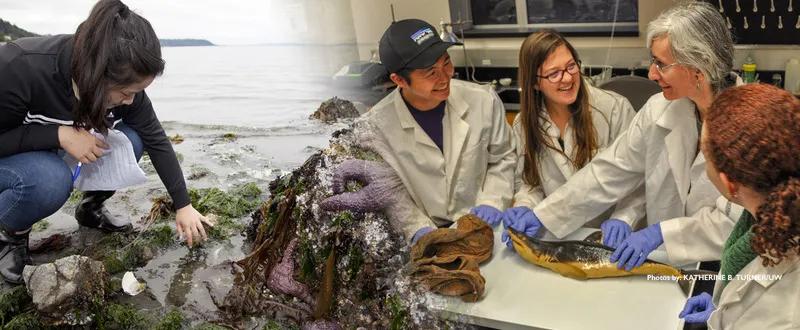
Across all of our programs, we believe that some of the most meaningful learning happens beyond the traditional classroom. Students have opportunities to conduct fieldwork, participate in research, collaborate across disciplines, and engage with real-world challenges facing oceans, rivers, lakes, wetlands, and coastal communities. Our faculty bring expertise spanning marine biology, aquatic ecology, aquaculture, conservation, environmental science, and aquatic animal health.
Find the Program That's Right for You
Whether you are just beginning to explore a career in aquatic science or are ready to pursue advanced research, we offer pathways to help you achieve your academic and professional goals.
Undergraduate
Discover Your Future in Aquatic Science
The Aqua Marine Department welcomes curious, motivated students who want to explore the science of oceans, freshwater systems, and aquatic life. Our undergraduate programs combine classroom learning with laboratory research, field experiences, and opportunities to work alongside faculty.
Whether you are interested in marine biology, conservation, aquaculture, or aquatic ecology, you will build a strong scientific foundation while developing the practical skills needed to understand and protect aquatic environments.
Why Study Aqua Marine Science?
- Hands-on learning: Gain experience through laboratory courses, field studies, and research projects.
- Research opportunities: Work with faculty on projects ranging from aquatic animal health to marine conservation.
- Interdisciplinary education: Combine biology and environmental science with chemistry, data analysis, and ecology.
- Field experience: Study aquatic ecosystems in coastal, freshwater, and marine environments.
- Career preparation: Develop skills for careers in research, conservation, aquaculture, environmental consulting, education, and graduate study.
Admissions Timeline
Prospective students should review application requirements and deadlines carefully. Dates below are fictional and intended for demonstration purposes.
Masters
Advance Your Expertise in Aquatic Science
The Aqua Marine Department's master's programs are designed for students who want to deepen their understanding of aquatic systems and develop advanced skills in research, analysis, and applied science.
Our programs bring together marine biology, aquatic ecology, conservation, aquaculture, and environmental science. Students work closely with faculty and have opportunities to participate in laboratory research, field studies, and collaborative projects.
Explore Our Master's Programs
Our graduate programs offer several areas of specialization:
- Marine Biology — Study marine organisms, ecosystems, biodiversity, and ocean processes.
- Aquatic Ecology — Examine the relationships between organisms and their freshwater, coastal, and marine environments.
- Aquaculture & Aquatic Animal Health — Explore sustainable aquatic food production, animal health, nutrition, and water quality.
- Conservation Science — Develop strategies for protecting aquatic species, habitats, and ecosystems.
- Aquatic Environmental Science — Investigate the effects of climate, pollution, and human activity on aquatic environments.
Admissions Timeline
Prospective master's students should review program requirements carefully and allow sufficient time to prepare application materials. Dates below are fictional and intended for demonstration purposes.
Doctorate
Become a Leader in Aquatic Science
The Aqua Marine Department's doctoral program prepares students to become independent researchers, educators, and leaders in aquatic science. Doctoral students pursue original research addressing complex questions about marine and freshwater ecosystems, aquatic organisms, conservation, and sustainable aquaculture.
Students work closely with faculty mentors while developing the expertise, research skills, and professional experience needed to contribute new knowledge to the field.
Areas of Research
Doctoral students may pursue research in a wide range of aquatic science disciplines, including:
- Marine Ecology — Investigate marine communities, biodiversity, food webs, and ecosystem dynamics.
- Aquatic Animal Biology — Study the physiology, behavior, reproduction, and health of aquatic organisms.
- Aquaculture & Fisheries — Develop sustainable approaches to aquatic food production, fisheries management, and aquatic animal health.
- Conservation & Restoration — Research strategies for protecting species, restoring habitats, and maintaining healthy aquatic ecosystems.
- Climate & Aquatic Systems — Examine how climate change and environmental stressors affect oceans, freshwater systems, and aquatic organisms.
- Aquatic Environmental Science — Study water quality, pollution, nutrient cycling, and the effects of human activity on aquatic environments.
Admissions Timeline
Doctoral admissions are highly selective. Applicants are encouraged to begin preparing their materials well in advance and to explore potential faculty mentors whose research aligns with their interests.