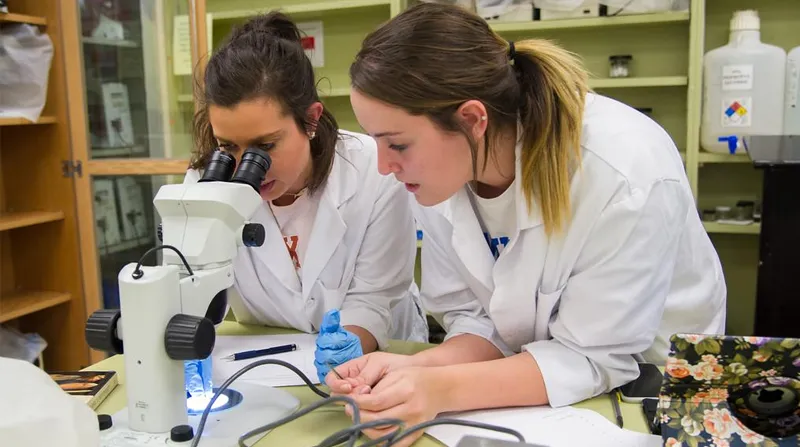
Investigating the effects of ocean warming
An Aquatic Biology research team has begun investigating how rising ocean temperatures affect coral communities and the many species that depend on reef habitats. The project combines underwater observations with environmental measurements to explore how temperature variation relates to coral condition and reef biodiversity.
Coral reefs provide habitat, food, and shelter for a wide range of marine organisms. Their structure creates many small-scale environments, allowing species with different ecological needs to live in close proximity. Changes in coral health can therefore affect far more than the corals themselves.
Why temperature matters
Corals live in close association with microscopic algae that help supply much of their energy. Under prolonged heat stress, this relationship can break down, causing corals to lose their color in a process known as bleaching. Bleached corals are not necessarily dead, but sustained stress can reduce their chances of recovery.